Mississippi Stud Third Street: Initial Bet Folding Thresholds
Third Street is where Mississippi Stud bleeds weak players dry, and the folding threshold on your initial bet is the single most misjudged number in the entire game. Most players treat the ante as sunk cost and chase with garbage, but the math on Third Street is brutally unforgiving: your initial bet folds or fires based on a razor-thin expected value line that the house counts on you ignoring. 💀
Here is the hard truth operatives in the pit never spell out. When you post your initial bet and see three cards, the decision to fold, call, or raise is dictated by the probability of improving to a paying pair or better against the dealer's exposed cards. The threshold is not a gut feeling. It is a strictly computed breakeven point, and every dollar you pour in below that line compounds into the house edge. The initial bet folding thresholds are the difference between a survivable session and a slow financial execution.
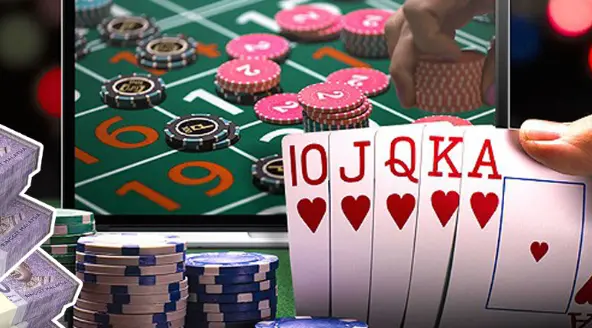
The Cold Math Behind the Fold Line
Run the numbers and the picture gets ugly fast. A starting hand of unsuited low cards with no straight or flush draw potential carries an expected value so deeply negative that calling the initial bet is pure donation. The folding threshold sits where the pot odds and the probability of a qualifying hand intersect, and for most junk hands that intersection is a cliff, not a slope. Raise into it and you are feeding the drop. Fold and you cap your losses at the ante.
This is where the Mississippi Stud strategy diverges from every casual player's instinct. The threshold moves with the dealer's upcards, the number of players still live, and the paytable structure. A pair of fives facing a high dealer card is not the same animal as the same pair facing a low card. The folding threshold is dynamic and anyone treating it as static is leaking money every single hand. 🎯
Paytable Pressure and the Raise Multiplier Trap
The raise multipliers on Third Street tempt players into over-betting marginal holdings, and that is exactly where the folding threshold earns its teeth. When your hand has a realistic path to a straight or flush, the threshold drops and aggression becomes correct. When it does not, the threshold spikes and the correct play is a cold fold, no sentiment attached. The paytable does not care about your feelings or your stack size.
Audit your own play and you will find the leak. Players who fold below the threshold on Third Street preserve capital for the hands that actually clear the line. Players who call everything bleed out across hundreds of hands, and the compounding is vicious. The Third Street folding threshold is not advice; it is a hard stop that separates disciplined operators from the marks.
Exploiting the Threshold Against Weak Tables
Here is the edge most players never touch. At a table full of chasers who ignore their own folding thresholds, your disciplined folds and calculated raises create a silent arbitrage. You are not just protecting your stack; you are positioning against opponents who are mathematically committed to donating. The dealer's bust rate and the collective table behavior shift the effective threshold, and a sharp operator reads that shift in real time. 😤
Track the flop-to-turn improvement rates on your marginal Third Street holdings across a thousand hands and the threshold crystallizes into a single actionable number. Anything below it folds. Anything above it fires with conviction. The house edge lives in the gray zone where players hesitate, and the folding threshold exists precisely to eliminate that hesitation.